Chow Food Presentation Template: A Visual Feast for Your Next Pitch
More Than Just Slides: Understanding the Chow Aesthetic
Let’s be honest: most presentation templates feel like an afterthought. They’re generic, cluttered, and do little to elevate your message. The Chow Food Presentation Template is a different beast. It’s not just a collection of slides; it’s a carefully crafted visual system designed to make your content—whether it’s a business plan, a portfolio showcase, or a creative pitch—look polished, professional, and engaging from the first click.
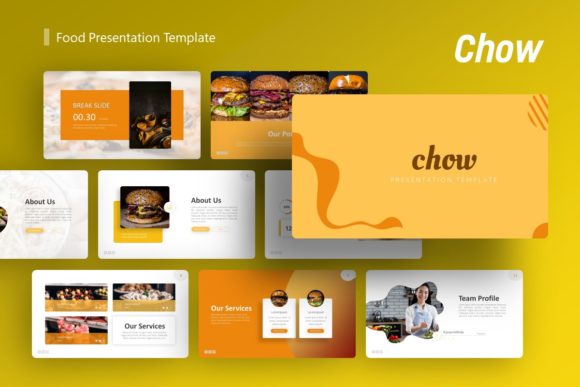
What defines its personality? Think clean, modern, and appetizing. The design leans into a contemporary aesthetic with ample white space, crisp typography, and a thoughtful color palette that feels both fresh and professional. It avoids the trap of being overly “foodie” in a way that limits its use. Instead, the visual language is one of clarity and sophistication, making it a versatile design asset for a wide range of projects. The handcrafted infographics are a standout feature, transforming complex data into visual stories that are easy to grasp and remember.
Where This Template Truly Shines: Real-World Applications
The true test of any premium font or template is its adaptability. The Chow template excels here, moving seamlessly across industries and project types. For creative agencies and startups, it provides a polished foundation for investor pitches and client presentations, instantly building credibility. Its structured layouts are perfect for company profiles and corporate communications, ensuring information is presented logically and beautifully.
Beyond the boardroom, its applications are just as powerful. Photographers and designers can leverage it for stunning portfolio presentations that let their work take center stage. The clean layout acts as a perfect frame, enhancing rather than competing with the visuals. For marketers and content creators, it’s a tool for crafting compelling campaign summaries or social media strategy decks. Even for personal use—like planning a wedding, organizing a community event, or outlining a personal project—it brings a level of professionalism and visual hierarchy that elevates any idea.
Practical Guidance: Making the Template Work for You
Adopting a new design asset is about more than just liking the demo. Here’s how to evaluate and implement the Chow template effectively.
- Evaluate the Fit: Before you dive in, look at the 36 slides. Do the layouts support your content structure? Are there enough variety slides for data, quotes, team bios, and full-bleed images? A good template should feel like it was built for your specific needs.
- Master the Customization: The power of this template lies in its easy customizable contents. Everything is based on Master Slides, which is a game-changer for consistency. Edit a master slide once, and the change propagates throughout your deck. This is how you maintain a cohesive brand identity effortlessly.
- Leverage the Infographics: Don’t just replace the placeholder text. Use the handcrafted infographics as a starting point to visualize your own data. They are designed to improve readability and audience engagement by presenting information in a digestible format.
- Test Your Content: Drag and drop your images into the picture placeholders. See how your text flows within the pre-designed typography boxes. The goal is to ensure your specific content maintains the template’s clean aesthetic and visual hierarchy.
- Consider the Ecosystem: The included vector icons and documentation file are valuable. The icons can help illustrate points without resorting to cheesy clip art, and the documentation will help you unlock features you might otherwise miss.
Remember, the provided images in the demo are for preview only. The real magic happens when you infuse the template with your own brand’s colors, fonts, and imagery. This is where you move from using a template to building a powerful brand identity tool. It’s a foundation that saves you countless hours on layout and design, freeing you to focus on what truly matters: your message and your story.